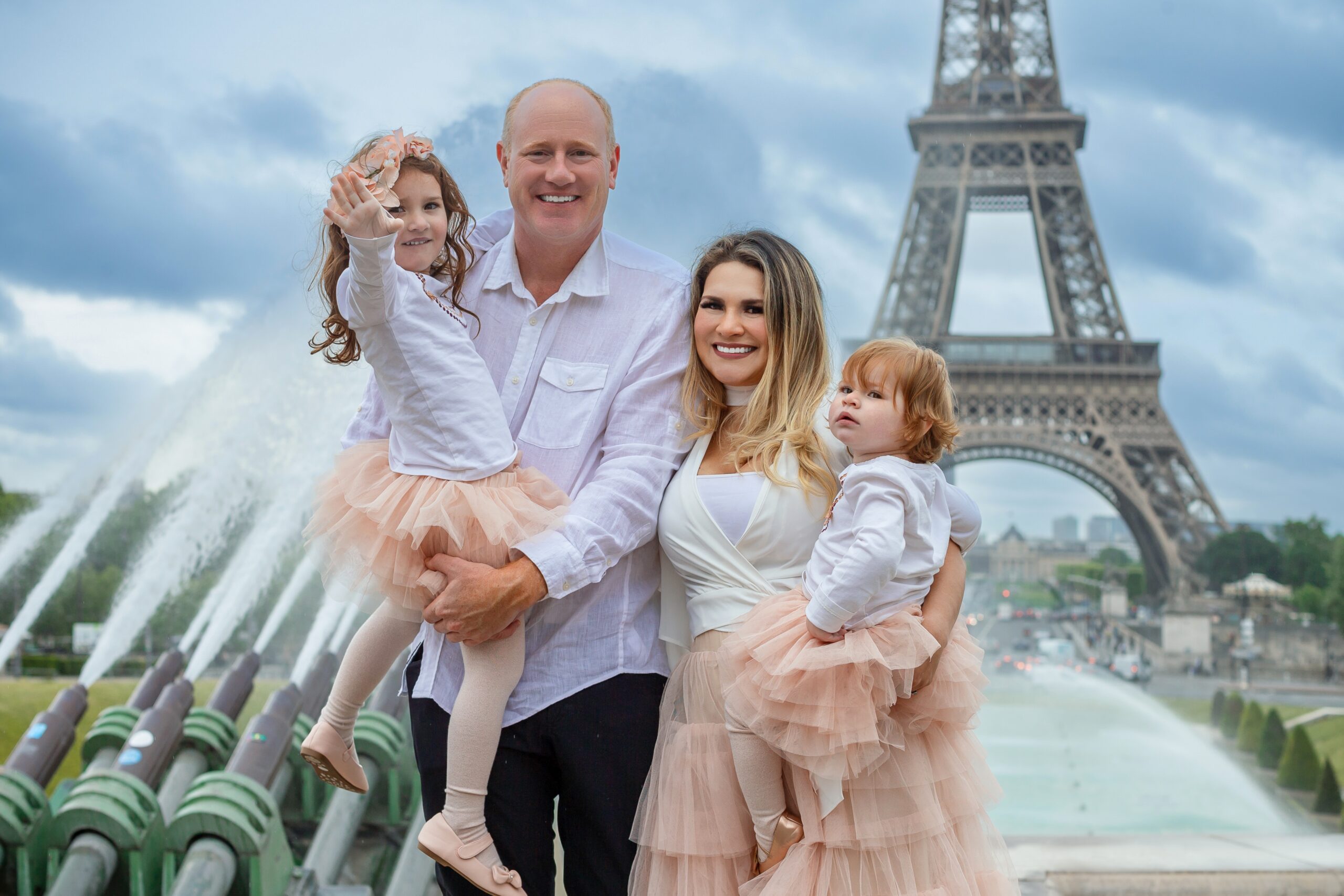
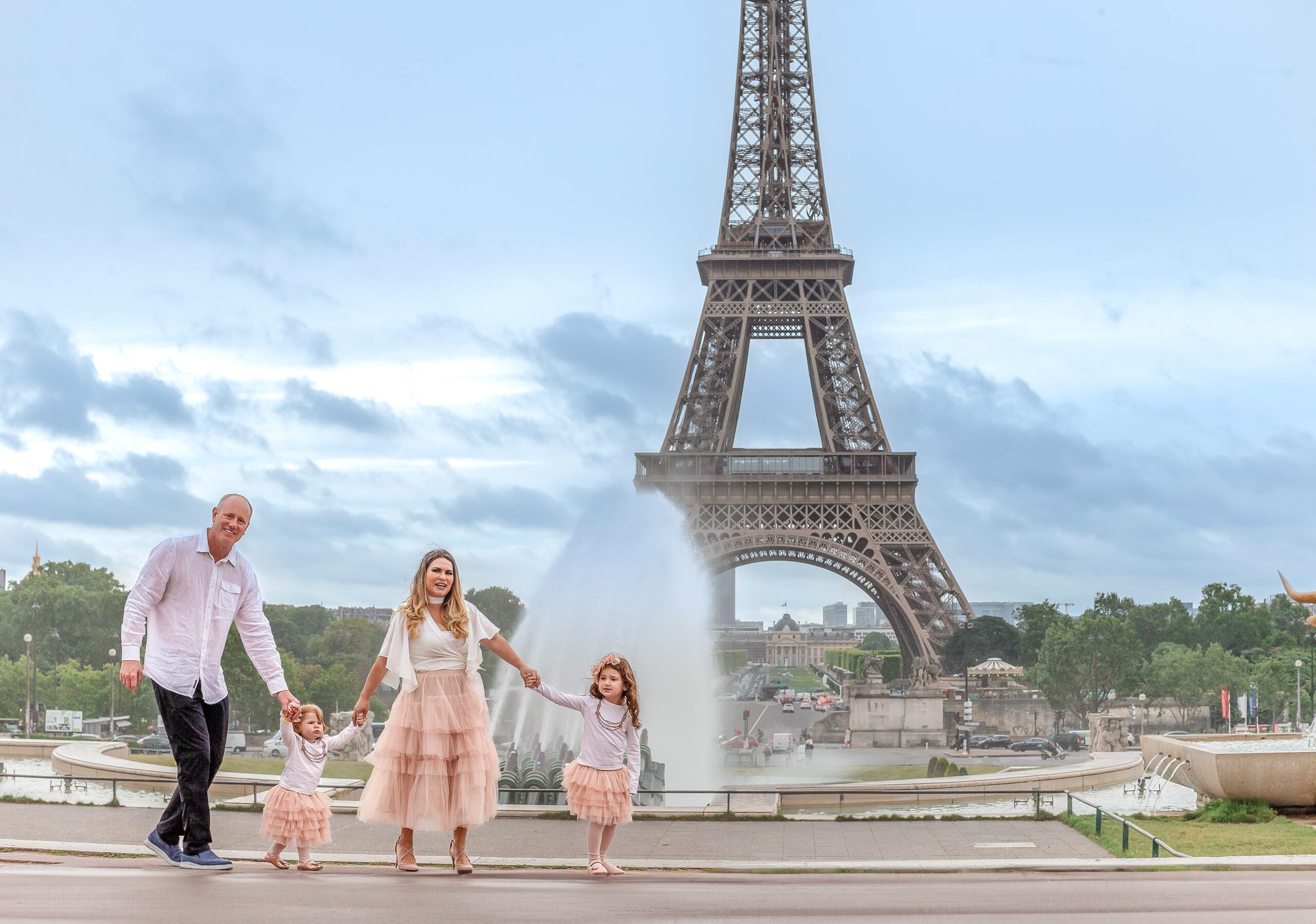
Perfect family pictures are defined by genuine emotion and authentic connection, not flawless poses or matching outfits. Family portrait photography, as professionals practice it, is the art of capturing real relationships in unscripted moments. This guide gives you the exact preparation strategies, playful prompts, and timing techniques that produce images your family will still love in twenty years. Whether you are planning an outdoor session in a park, a holiday family picture, or a destination shoot in Paris with Chouettelove, every tip here is grounded in how real families actually behave in front of a camera.
1. What actually makes perfect family pictures work
The single most important factor in family photography is authenticity. Staged smiles and rigid poses produce images that look like everyone is waiting for the dentist. The families who walk away with extraordinary portraits are the ones who laughed, chased each other, and forgot the camera was there.
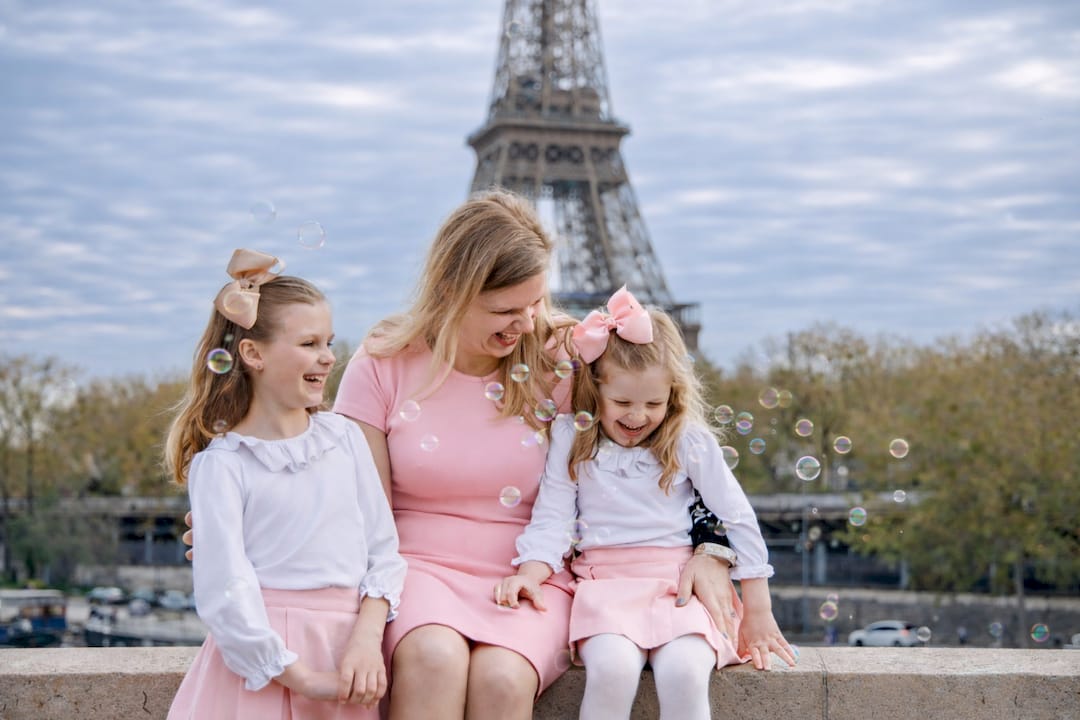
Documentary-style photography proves this point clearly. When photographers prioritize real interactions over directed poses, the resulting gallery reflects actual family dynamics and personality rather than a performance. The difference is visible in every frame.
Professional photographers use fast lenses at apertures between f/1.8 and f/2.8 to isolate subjects with blur, drawing the viewer’s eye directly to faces and expressions. That technical choice only pays off when the faces show something real. Gear matters far less than the emotional environment you create before the shutter clicks.
2. How to prepare your family for a relaxed and genuine photo session
Preparation is where most families either win or lose the session before it starts. The goal is to arrive calm, coordinated, and ready to play rather than perform.
Parental calmness directly affects children’s demeanor during a shoot. Stressed parents cause children to mirror that stress, and a tense five-year-old will not give you a genuine smile no matter how many times you ask. Your energy sets the tone for everyone else.
Here is what to handle before you leave the house:
Timing: Schedule the session 60-90 minutes after naps or meals so children arrive rested and fed. A hungry toddler is the fastest way to end a session early.
Clothing: Avoid clothes with visible words or logos because the eye gravitates toward text instead of faces. Choose coordinated palettes with complementary colors and textures like corduroy, linen, or knit fabrics. These add visual depth without competing with expressions.
Involvement: Tell children what to expect in age-appropriate terms. When kids know they will be playing a game rather than standing still, their whole attitude shifts.
Backup plan: Pack a snack, a favorite small toy, and a change of top for younger children. Small logistics handled in advance prevent big meltdowns on location.
Pro Tip: Let your child pick one element of the session, whether it is a prop, a location detail, or what song plays on the way there. That small sense of ownership creates buy-in and reduces resistance.
3. Eight creative prompts to capture authentic family interactions
The fastest way to ruin a family photo is to say “say cheese.” That phrase produces the same stiff, wide-eyed expression in every culture on earth. Replacing posing with playing captures true family personality far more effectively than any directed pose.
Here are eight prompts that consistently produce genuine reactions:
The secret whisper. Ask a parent to whisper something silly into a child’s ear. The child’s reaction, whether laughter, surprise, or a dramatic eye roll, is always authentic.
The tickle countdown. Count to three and then tickle. The anticipation alone produces real laughter before contact is even made.
The walking shot. Walk together toward or away from the camera while talking about something funny that happened recently. Movement relaxes bodies and natural conversation fills faces with expression.
The competition. Challenge kids to a staring contest, a silly face contest, or a race to a tree. Competition brings out personality immediately.
The piggyback. Put a child on a parent’s back and ask the parent to spin slowly. The combination of physical closeness and movement creates warmth and laughter in the same frame.
The favorite thing. Ask each child to show the photographer their favorite move, dance, or trick. This works especially well with kids who are shy around cameras.
The group hug squeeze. Ask everyone to squeeze together as tight as possible and hold it. The discomfort turns into genuine laughter within seconds.
The pet or prop. Capturing families with what they love in familiar contexts produces images with real emotional resonance. Bring the family dog, a favorite book, or a sport they play together.
Pro Tip: Give the photographer a list of two or three inside jokes or family traditions before the session. A good photographer can build prompts around those specifics, and the resulting images will feel unmistakably yours.
4. Choosing the best session length and timing
Session length and scheduling are two of the most underestimated variables in family photography. Get them right and everything else becomes easier.
Sessions lasting 30-45 minutes keep children engaged without pushing them into fatigue. Beyond 45 minutes, image quality drops because children lose patience and parents lose patience watching their children lose patience. Shorter sessions also create a sense of urgency that keeps energy high.
| Variable | Recommendation | Why it matters |
|---|---|---|
| Session length | 30-45 minutes | Prevents fatigue and maintains genuine expressions |
| Arrival buffer | 10-15 minutes early | Allows children to acclimate to the location and photographer |
| Meal and nap gap | 60-90 minutes after | Aligns with peak mood and cooperation |
| Light timing | Golden hour (early morning or late afternoon) | Natural directional light produces soft, flattering illumination |
A few additional timing principles worth following:
Book outdoor sessions in spring or fall when temperatures are comfortable and foliage adds natural color without distraction.
Build a 15-minute buffer into your schedule for the unexpected. Traffic, a wardrobe change, or a child who needs five minutes to warm up will not derail you if you planned for it.
Communicate the schedule to your photographer in advance. A professional who knows your child naps at 2 p.m. will not suggest a 1:30 p.m. slot.
5. Micro-documenting family life between formal sessions
Formal portrait sessions produce heirlooms. But the everyday moments, a child reading on the couch, siblings arguing over a board game, a parent teaching a kid to cook, are often the ones families miss most when they are gone. Short micro-routines of five minutes or less make capturing those moments effortless and sustainable.
The key is removing friction. A smartphone on the kitchen counter captures more real life than a camera stored in a bag. You do not need perfect framing, ideal light, or professional audio. You need the habit.
Here is how to build that habit without stress:
Assign a role to your kids. Give children the title of “family director” or “narrator” for a short clip each week. They will take the job seriously, and the footage they create is often more honest than anything you would stage.
Pick one recurring moment. Bedtime, breakfast, or the walk to school happens every day. Filming the same moment monthly for a year produces a time-lapse of childhood that no formal session can replicate.
Accept imperfection. Shaky footage, background noise, and bad lighting are features, not flaws. They signal that the moment was real.
Balance formal and casual. A professional family photoshoot gives you polished portraits. Micro-documentation gives you the texture of daily life. Both belong in a complete family archive.
Use a simple storage system. A shared photo album on Google Photos or Apple Photos, organized by month, takes thirty seconds to maintain and prevents years of footage from disappearing into a phone’s camera roll.
Key takeaways
Perfect family pictures require authentic emotion, thoughtful timing, and playful engagement rather than rigid poses or forced smiles.
| Point | Details |
|---|---|
| Authenticity over perfection | Replace “say cheese” with movement-based prompts to capture genuine expressions. |
| Timing is everything | Schedule sessions 60-90 minutes after naps or meals and during golden hour for best results. |
| Session length matters | Keep shoots to 30-45 minutes to maintain children’s energy and cooperation. |
| Parental energy sets the tone | Calm, present parents produce relaxed children and more authentic images. |
| Micro-documentation fills the gaps | Five-minute routines between formal sessions capture the everyday moments families treasure most. |
What I have learned after years of watching families in front of a camera
The families who leave a session with extraordinary images are almost never the ones who prepared the most elaborate outfits or scouted the most photogenic location. They are the ones who showed up willing to be a little silly and a little vulnerable.
Stress is contagious in a way that photographs cannot hide. I have watched a perfectly lit golden-hour session fall apart because a parent kept correcting a child’s posture. The child shut down, the parent got more anxious, and the images from that hour look exactly like that dynamic feels. On the other hand, I have seen sessions in overcast light, with mismatched clothes and a dog who refused to cooperate, produce some of the most joyful portraits I have ever delivered.
The photos you will hang on your wall are not the ones where everyone looked perfect. They are the ones where everyone looked like themselves. That is what family portrait sessions are actually for. Trust your photographer to handle the technical side. Your only job is to be present with the people you love and let that show.
Each family’s version of perfect is unique, and it almost always happens in an unscripted moment between the shots you planned.
— Liya
Capture your family’s story in Paris with Chouettelove
Paris provides one of the most naturally beautiful backdrops for family portraits, and Chouettelove specializes in turning that setting into something personal rather than generic. Every session is guided by the same principles in this article: playful prompts, thoughtful timing, and a focus on real connection over posed perfection.
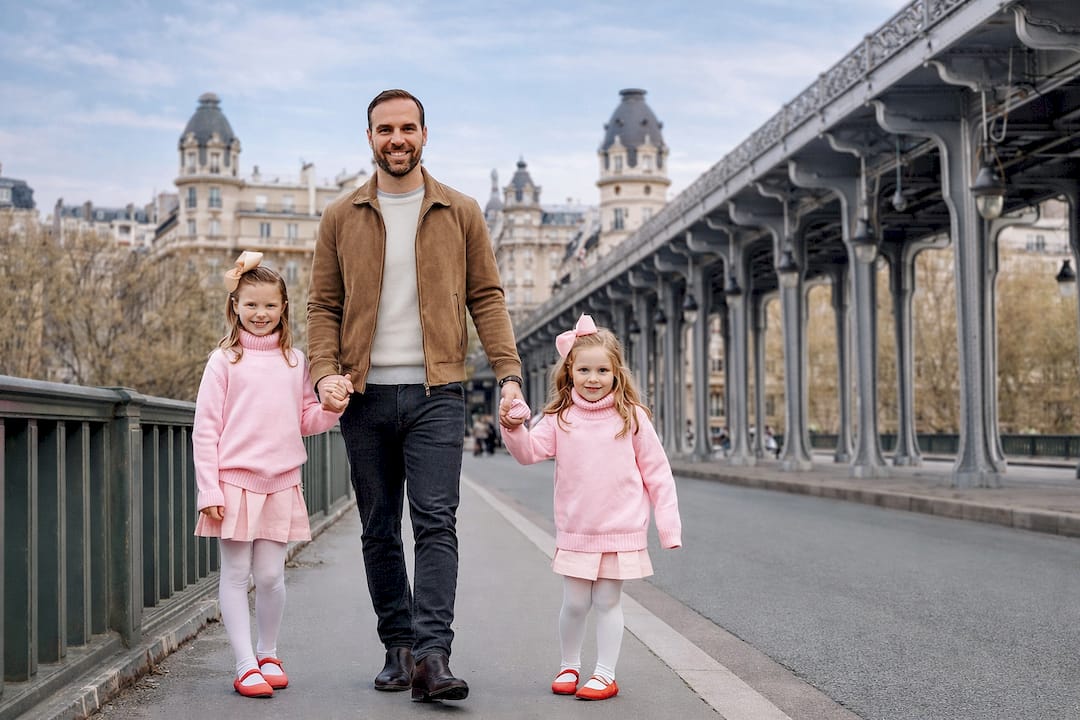
Whether you want classic portraits near the Seine or a Paris family photoshoot that includes video reels to document the full experience, Chouettelove tailors every session to your family’s personality and energy. Outfit coordination advice, location scouting, and session timing are all handled for you. If you are ready to create portraits your family will treasure for decades, book your session and let the city do the rest.
FAQ
How long should a family photo session be?
Family sessions work best at 30-45 minutes for families with young children. Sessions longer than 45 minutes typically result in fatigue and a drop in genuine expressions.
What should families wear for photos?
Choose coordinated colors and textures rather than identical outfits. Avoid visible logos or words on clothing, as text draws the eye away from faces and disrupts visual harmony in the frame.
When is the best time of day for outdoor family photos?
Golden hour, which falls in the early morning or late afternoon, produces the softest and most flattering natural light. Scheduling your session during this window also means cooler temperatures, which keeps children more comfortable and cooperative.
How do I get my kids to smile naturally in photos?
Skip “say cheese” entirely and use movement-based prompts instead. Tickling, whispering secrets, or a silly competition produces real laughter that no directed smile can match.
Should I hire a professional photographer or use my smartphone?
Professional photographers use fast lenses and full-frame cameras to isolate subjects with background blur, which elevates portrait quality significantly. Smartphones are ideal for everyday micro-documentation between formal sessions, and both approaches serve different but equally valuable purposes.
Recommended